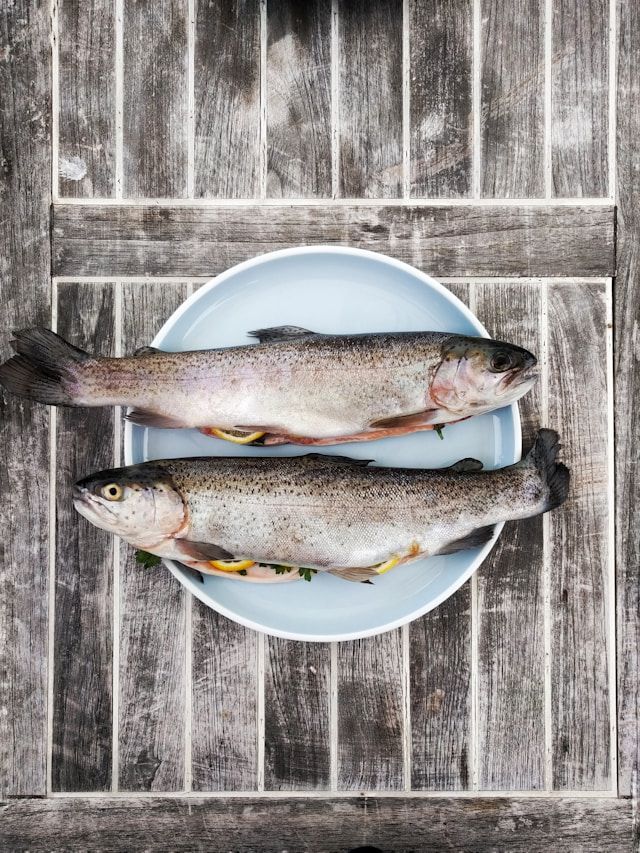
Microplastics are now widespread throughout marine ecosystems, this includes the fish we eat. The amount of contamination depends on where the fish live.
The Global Picture
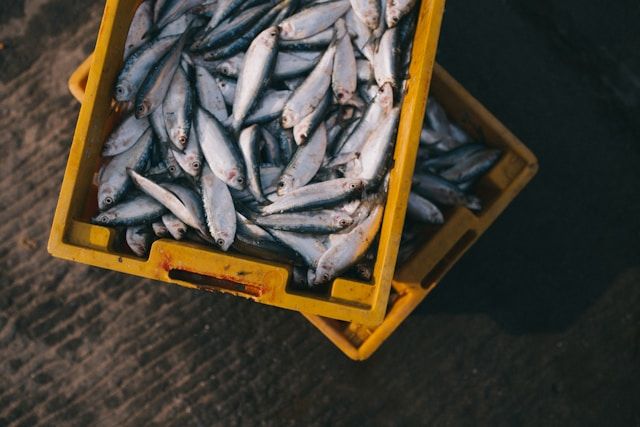 Fish accumulate microplastics throughout their lives. Some regions show far higher contamination rates than others. The geographic location of a fish population determines not only their species type, but also how much plastic they consume. Studies on small pelagic fish, including sardines and anchovies in the Mediterranean, found approximately 14–15% of them had ingested natural fibres and microplastics. What the researchers found surprising was the type of plastic dominating the different regions. Mediterranean fish contained primarily polyethylene and polypropylene fibres, which come from fishing gear and plastic bags. These regional sources of plastic pollution literally shapes what ends up inside the fish.
Approximately 7% of the world’s microplastics are found in the Mediterranean Sea, even though this area represents less than 1% of the ocean’s surface. This concentration occurs because the Mediterranean is largely enclosed. Water does not circulate freely to the open ocean. Plastic accumulates here instead of dispersing. It becomes trapped, building up over time in a region already densely populated with fishing and shipping activity.
Sardines and anchovies are the dominant commercial fish species in the Mediterranean. Their feeding behaviour makes them particularly vulnerable to microplastic accumulation. Researchers have found nanoplastics in the fish muscle of five species from the Mediterranean Sea. These nanoplastics are not confined to the fish’s digestive systems, but are embedded in the flesh itself. This means that when you prepare a Mediterranean fish for dinner, the microplastics are already part of the meal.
Rivers and Freshwater Systems
Coastal pollution is not the only concern. Inland rivers, far from major ocean regions carry plastic into fish populations too. These freshwater systems face their own microplastic challenges. Studies from the Mondego River estuary in Portugal found that 38% of 120 fish contained microplastics in their gastrointestinal tract.
Rivers in populated areas contain elevated microplastic levels. Fish in these systems absorb the contamination continuously. Scottish rivers are a good example. When people consume wild-caught freshwater fish from Scottish rivers, they are still consuming microplastics. This raises questions about wild-caught freshwater fish versus ocean-caught fish. Neither source is truly clean. The assumption that fish from inland rivers escape ocean pollution is false.
Wild vs Farmed Fish
Farmed salmon are raised in controlled environments that are isolated from open ocean pollution. However, they are not exempt from contamination because of their feed. Farmed salmon depend heavily on fishmeal produced from wild-caught fish. Microplastic pollution has been detected in fishmeal sourced from ten producing countries. As a result, farmed salmon may consume the same contaminated marine inputs found in the wider ocean food chain.
Wild salmon are also exposed to microplastics during their migration through river systems and coastal waters. Although the pathways of exposure differ, both wild and farmed salmon ingest microplastics. The source of contamination may be different, but the outcome remains the same. Choosing between wild and farmed offers no escape from microplastic exposure.
Microplastics on our Plate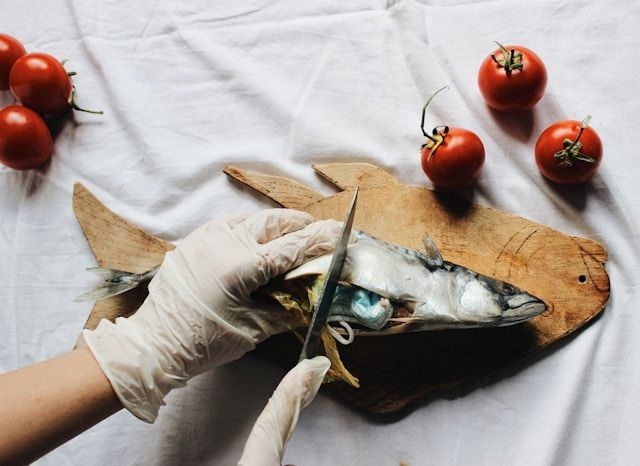
When you eat seafood, no matter where it comes from, it is highly likely you are consuming microplastics. These particles have entered the food chain at every level. They move from the water into the smallest organisms, then accumulate in larger fish and finally, end up on your plate. The contamination has already reached human bodies – we know plastics are there.
The question now is, what are we going to do about it?