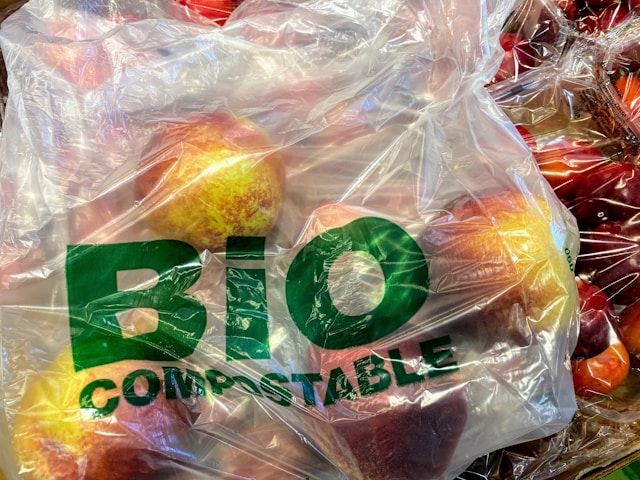
Pick up almost any product today and you will see one of these words: biodegradable, compostable, bio-based, plant-based. They sound pretty similar, but they are not the same thing. This is where confusion and sometimes, greenwashing lives.
Four Words, Four Meanings
Biodegradable means microbes can break a material down. It carries no guarantee about how long that takes or where it happens. In the UK, the Competition and Markets Authority’s Green Claims Code treats a bare, “biodegradable” claim as likely to be misleading unless the business specifies the circumstances and timeframe in which that breakdown actually happens.
Similarly, The US Federal Trade Commission treats an unqualified biodegradable claim as deceptive unless the entire product will decompose into natural elements within about a year of normal disposal. Different regulators, but same underlying point – “biodegradable” on its own tells you almost nothing. A plastic bag can be technically biodegradable, but take decades to disappear. Along the way, it fragments into smaller and smaller microplastics rather than vanishing.
Compostable is the stricter, regulated term. In the UK and EU, a certified compostable product has to be tested against the EN 13432 standard. This requires the compostable plastics to disintegrate after 12 weeks and completely biodegrade after six months under industrial composting conditions – not in a back garden bin!
Home composting is a separate, less standardised category. A product certified for industrial composting will often not break down the same way in a domestic compost heap.
The term “bio-based” is described as a material or product which is obtained either partially or fully from biomass or plants such as cellulose, sugarcane or corn. You might think bio-based and plant-based mean different things, but both terms primarily describe where the raw material comes from, not what happens after the product is discarded.
A plastic made entirely from corn or sugarcane can be plant-based, yet once manufactured its chemical structure may be identical to plastic made from oil. In such cases, it is likely to persist in the environment and generate microplastics in much the same way as its fossil-based equivalent.
Where Greenwashing Creeps In
Four words are doing the work of two separate claims. One is about origin, the other, about outcome. “Bio-based” and “plant-based” only answer the question of origin. However, as it sounds green, it gets heard.
Some unscrupulous brands can take advantage of this misconception. A company might say, “Made from plants,” and without evidence let customers think it “breaks down safely.”
UK regulators have stepped in on exactly this point. The Advertising Standards Authority has upheld several recent complaints against claims made by brands that products were “biodegradable” or “compostable,” after finding that those claims were not properly substantiated. It either did not relate to the product’s full life cycle, or overstated how much of the product actually breaks down.
A similar pattern played out in the US. One enforcement case against a major packaging manufacturer found biodegradable and home-compostable claims on paper plates, lunch bags, and grocery bags lacked the scientific backing the FTC’s Green Guides require. The label implied a clean, fast outcome. The evidence however, lagged behind.
The Mental Shortcut
Reassuring, “green” sounding words can cause people to skip past the question of whether something will actually break down and move straight to the perception that “it’s fine” without giving it further thought. In turn, this can influence the actions they take.
Cigarette butts are the clearest case study. Researchers surveyed over 7,500 smokers in the US to find out whether someone will litter their cigarette butt or bin it responsibly. One of the strongest predictors they found was a simple belief: that butts are biodegradable, and not really litter at all. This belief is false. Cigarette filters are made of cellulose acetate, which is a plastic. It does not readily biodegrade and instead can persist in the environment and fragment into microplastics.
The study found, in the smoker’s own mind, they reclassified cigarette butts from waste into something closer to natural debris, something that did not need a bin.
This recategorization also plays out on a supermarket shelf. Reassuring labels encourage consumers to assume environmental benefits without examining the underlying claim. People rely at a superficial level on the label rather than making an informed judgment.
This is what makes vague environmental language different from a simple factual error. Describing something as biodegradable may not be false if it eventually breaks down under specific conditions. However, it gives people just enough reassurance to stop them examining the claim more closely. The label creates a mental shortcut, replacing further scrutiny with assumption.
What This Means Day to Day
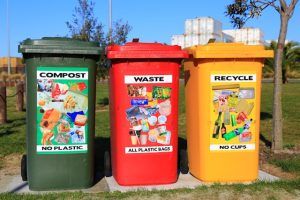
None of this is a reason to distrust every bio-labelled product on the shelf. It’s a reason to read past the words. Biodegradable doesn’t mean gone. Compostable doesn’t mean it will compost in your back garden. Bio-based and plant-based tell you where something started, not how it is going to end up. The label is a starting point, not the whole answer. As these terms become more widespread, understanding their limits becomes just as important as understanding their promises.