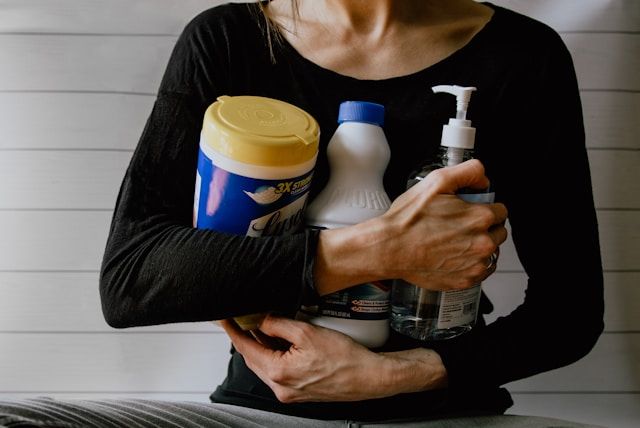
When spring rolls around, the urge to sort, scrub and declutter is in the air.
It’s all in the name! While clearing out the cupboards and freshening up the home is a great idea, it’s also worth turning your attention to what you’re actually cleaning with.
Scrubbing the kitchen counter and those cupboards vigorously or when washing everything out in sight, it is worth noting the water going down that drain isn’t just water. It’s worth knowing what’s travelling with it. Then there are the cleaning products themselves.
But fear not, a few simple swaps can make a surprisingly big difference.
A Room by Room Plastic Audit
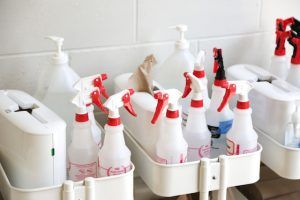
Before you swap anything, it helps to take an inventory.
Kitchen: Have you got rolls of cling film? A drawer full of carrier bags perhaps? Or maybe those non-recyclable Tupperware, and single-use condiment sachets tucked away somewhere.
Bathroom: Are there multiple shampoo and conditioner bottles? Or maybe a bagful of single-use razors? Cotton bud sticks with plastic stems? Or those synthetic sponges that shed tiny plastic fibres every time they’re used and rinsed.
Under the sink: A hoard of half-empty cleaning sprays in non-recyclable bottles, bleach containers, and plastic scrubbing pads.
How Does Plastic Reach the Sea?
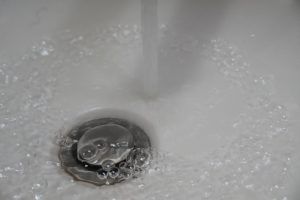
Plastics in landfills can and does escape. Even when items are binned correctly, lightweight plastics get carried by wind and rain into drainage systems and rivers before eventually reaching the coast.
A lot of it also goes straight down the drain. Many scrubs and cleaning products still contain microbeads – tiny plastic particles added for texture or abrasion. Too small to be filtered out by most wastewater treatment plants, they go directly into rivers and then into the sea. Similarly, synthetic sponges and cleaning cloths shed microfibres every time they’re used and rinsed. These fibres are invisible to the naked eye, yet they accumulate in the water system and have been found in marine life and seafood worldwide.
Swaps for Ocean-Friendly Alternatives
For most, there are straightforward alternatives, which may even work out cheaper in the long run.
- Cling film can be replaced with beeswax wraps or reusable silicone lids. Beeswax wraps have become widely available and handle most food storage jobs just as well.
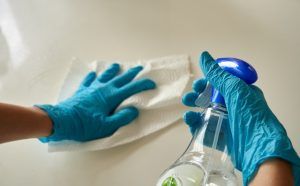
- Plastic spray bottles are easy to replace with a refillable bottle and a homemade concentrate. A simple mix of white vinegar, water, and a few drops of washing up liquid handles most surfaces surprisingly well, and costs almost nothing to make.
- Synthetic scrubbers and sponges can be swapped for a natural loofah or compostable cloths. They work, they last, and they don’t shed microfibres.
- Single-use razors are worth replacing with a safety razor, which is a one-time purchase that lasts years with only the blade needing replacing. Electric razors are another great option that is worth considering.
- Shampoo bottles can be swapped for shampoo bars, which last longer than liquid bottles and cut out the plastic entirely.
What to Do With What You Already Have
Here’s the step most swap guides skip: Don’t just bin everything.
Throwing away products you haven’t finished, or clearing out functional items to replace them with greener alternatives, often creates more waste, not less. The most sustainable thing you can do with what is already in your cupboard is use it up first. Finish the shampoo. Get to the bottom of the cleaning spray. Then, when it’s genuinely empty, replace it with something better.
For items you’re ready to part with, check your local council for soft plastics recycling schemes, or look into specialist hard-to-recycle drop-off points for anything that can’t go in the kerbside bin.
Every Swap Counts
Spring cleaning is a good moment to reassess stock, clutter, and habits. You don’t need to overhaul everything at once. Just notice what’s there, finish what you have, and when the time comes to replace it, make a better choice.
Every piece of plastic that doesn’t go to landfill or is washed down a drain is one less piece that may make it’s way to the sea.