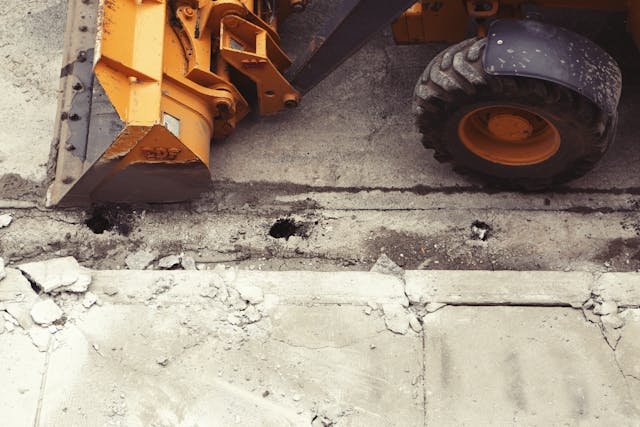
Potholes! They are the nightmare of every driver. Hit one and the jolt rattles both human bones and the body of the vehicle you are driving.
But, what if the plastic waste piling up in our oceans and landfills could help fix our crumbling roads? It sounds like a pipe dream, but the case for plastic-infused asphalt is stronger than you might expect.
Globally, more than 400 million tonnes of plastic are produced each year, and less than 10% is recycled. Most of the rest ends up burned, buried, or drifting into waterways. For decades, the response to this has focused on reduction, clean-ups, and policy. Rightly so, but a growing number of engineers are asking something slightly different: since we can’t undo the plastic waste that already exists, could we at least build something with it?
How Does It Work?
Traditional asphalt is made from stones, sand, and a petroleum-based binder called bitumen. In one research team’s process, around 8% to 10% of that bitumen is replaced with melted plastic from everyday items like single-use bags and bottles. The plastic is cleaned, shredded into flakes, and mixed in at high temperatures. The result bonds tightly within the material, adding flexibility and strength in a way that helps roads cope better with heat and heavy loads.
Testing is still in relatively early stages, but the signs are good. During a heat wave in April 2024, plastic roads in Dhaka, Bangladesh held up without cracking while conventional roads nearby did not. Researchers in Texas estimate these roads could add several years to pavement life. There is also a secondary benefit worth noting: plastic is replacing bitumen, which is itself a fossil fuel-derived material. Therefore, the swap reduces dependency on new petroleum inputs as well.

What Causes Potholes
Potholes are caused by water seeping into road cracks. Over time, this water continues to saturate the road base underneath, softening it. Weather cycles of freeze-thaw further exasperates the situation, making cracks appear. The repeated weight from vehicles, especially heavy trucks driving across further deteriorates the asphalt, causing chunks to break off.
New figures show UK local authorities are now looking at bills of around £18.62 billion to fix the backlog of repairs.
Plastic infused roads do not absorb water, remain smooth, have better flexibility and are lower maintenance than ordinary tar-based roads. South Africa and India have been using plastic in road construction for years with good results. Each kilometre of road can incorporate up to 1.8 million plastic bags. The evidence backing this technology is now increasing, making it a viable option for local authorities to take more seriously.
However, getting enough clean, sorted plastic consistently is not that easy. Not every type of plastic can be safely melted down. Long-term degradation is also a fair concern. A 2024 study found that plastic asphalt sheds around 1,000 times fewer microplastics than ordinary tyres wear is encouraging, but this does not make this solution a cure-all.

One Piece of a Much Bigger Puzzle
It is worth being clear about what this is and what it is not. Plastic-infused asphalt is one of several creative ideas gaining ground and it fits into a longer tradition of using innovative thinking and engineering to find uses for waste that would otherwise go nowhere. Nonetheless, using them for roads will not resolve the plastic crisis. There is a legitimate concern that solutions like these become a reason to avoid harder conversations about overproduction and regulation. These conversations still need to happen.
However, finding a practical, durable use for waste that is already here, one that also fixes a real and costly infrastructure problem, is genuinely useful. That alone is enough to justify pursuing it. Next time you hit a pothole, it is good to know that part of the answer might already be in your recycling bin.