Historically, the approach to plastic pollution has relied heavily on individual responsibility and fragmented national policies. For decades, the emphasis was on managing waste after it was created rather than addressing the root causes of its production. With global plastic production now projected to triple by 2060, the international community is shifting towards a coordinated, large scale solution. This transition has culminated in the development of the UN Global Plastics Treaty. It is a legally binding framework designed to regulate the entire life cycle of plastic material.
The Road Towards an Agreement
In early 2022, the concept of a global treaty gained momentum when 175 nations agreed to look at plastics – from the point of extraction to its final disposal. Since that initial mandate, five major rounds of the Intergovernmental Negotiating Committee (INC) with government leaders and scientists have taken place. The goal is to shift from voluntary pledges to binding international law.
Despite a period of procedural delays in late 2025, these negotiations are now at a turning point. On February 7, 2026, a critical meeting was held in Geneva. During this session, nations elected Ambassador Julio Cordano of Chile as the new chair to lead the committee. The election signals there is still significant international will to reach a final agreement.
Core Components of the Treaty
The current draft of the treaty includes several specific mechanisms intended to fundamentally change the global plastic economy:
- Production Caps: High ambition nations are advocating for a global limit on the manufacturing of new (virgin) plastic. They argue that any improvements in waste management will be ineffective if the volume of new plastic continues to increase. The goal is to set a ceiling that forces a shift toward alternative materials and reuse systems.
- Chemical Safety and Design: The treaty aims to establish global criteria for “design for circularity.” This involves phasing out hazardous additives and ensuring that all plastic products are chemically safe and physically capable of being reused or recycled. This would eliminate the thousands of “forever chemicals” and toxic dyes currently used in manufacturing that make recycling dangerous or impossible.
- Producer Responsibility: This framework requires manufacturers to take financial and physical responsibility at the end of the life of their products. This shifts the cost of pollution from the public sector to the corporations that profit from plastic production. It creates a direct economic incentive for companies to reduce unnecessary packaging.
The Global Debate
 In an ideal world, this makes good sense if a reduction in plastic pollution is to be made. However, it is not all smooth sailing. The conflicting economic interests of different nations is making it difficult to reach a consensus.
A coalition of over 60 countries, known as the High Ambition Coalition, is calling for a treaty that includes mandatory targets and a clear timeline for reducing plastic production. The group views a binding international standard as the only way to protect biodiversity and human health. Anything less, merely maintains the status quo.
Conversely, a group of major oil- and plastic-producing nations favour a different structure. They advocate a treaty that focuses on improving recycling technology and waste infrastructure. The system would be based on national action plans. Each country setting its own voluntary goals, instead of following a single global mandate.
This fundamental disagreement over production limits remains the primary hurdle for the 2026 negotiations. The tension lies between those who see plastic as a waste problem and those who see it as a production problem.
What’s Next?
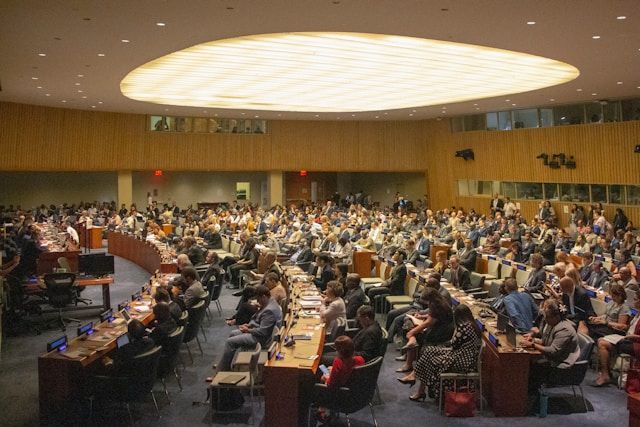
The final text of the Global Plastics Treaty is expected to be completed by the end of 2026. This agreement represents a historic opportunity to move beyond local clean-up efforts and establish a high level, systemic solution. By creating a single set of rules for the entire planet, the treaty could reduce mismanaged plastic waste by 80% by 2040.
Bridging the gap between production and waste management tot ensure a sustainable future for the global environment will be the focus of discussions in the coming months. Its success depends on whether the new leadership can navigate the upcoming sessions and secure a deal that is both ambitious and enforceable. If this treaty is embraced, the era of runaway plastic pollution can finally come to an end.