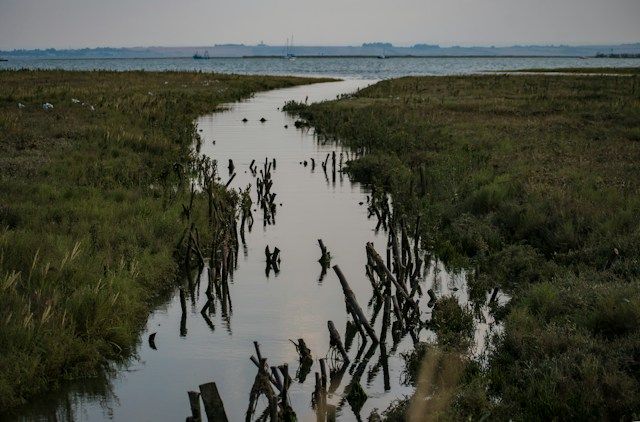
When we talk about plastic pollution in our waters, we tend to picture a litter-covered beach or a wide stretch of open ocean. However, there is another place that often gets far less attention, sitting right between the two: the estuary. This transitional environment is a rich habitat for fish, shellfish and birds and, as research increasingly shows, one of the places plastic tends to get stuck.
What Is an Estuary?
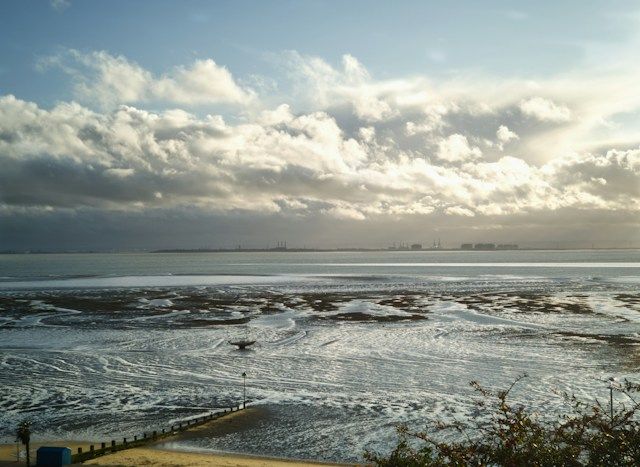 An estuary is where a river meets the sea. It is is the tidal area where freshwater flowing from the land mixes with saltwater from the coast, creating a brackish ecosystem. The
Thames is one, something people in London tend to forget. It is tidal for about 95 miles, from Teddington to Southend, and the stretch running through the capital is generally considered its upper estuary.
Estuaries are among the most productive habitats on Earth. They are sheltered, shallow and rich in nutrients, which gives young animals plenty to eat and places to hide from larger predators. Most of the marine fish we catch for food depend on estuaries at some point in their lives, and migrating birds use them to feed and rest. Along the tidal Thames, saltmarsh gives small fish somewhere to shelter away from the main channel.
Why Plastic Gets Stuck
The calm, slow-moving water that nurtures young animals also allows plastic to settle. A river slows down as it reaches the sea and it begins to drop much of what it carries, and saltwater accelerates this process even further. In laboratory experiments, small plastic particles and fine sediment sank between five and 21 times faster in estuarine water than in fresh water. The reason being, particles clump together because of the salt.
A model of the Minho estuary, on the Portugal–Spain border, found that when river flow was low or moderate, most particles stayed inside the estuary instead of reaching the coast. A study of Narragansett Bay in Rhode Island estimated that its surface sediments hold over 16 trillion pieces of plastic, close to 1,000 tonnes. Not every estuary holds on to plastic all the time, and a heavy flood can carry a lot of it out to sea. Despite this, a share of microplastics settles into the mud and stays.
 Plastic Where Life Begins
This is the area where young fish and shrimp feed and grow. A study of the Thames estuary sampled sediment and wildlife every three months over a two year period and found on average, 1,000 plastic items per kilogram of sediment. Plastic turned up in smelt, flounder, sole and brown shrimp. In one survey 75% of the individuals sampled were contaminated. The researchers noted, not all plastic in an estuary is accessible to wildlife and factors such as rainfall and season influence how much animals ingest.
Young fish are more vulnerable to microplastics than adults. This is partly because their detoxification systems are not fully developed. In Portugal’s Douro estuary, microplastic particles outnumbered fish larvae in the water in every season except summer.
Is There An Answer?
Estuaries may keep some plastic out of the open ocean, but they do it by concentrating it in the places heavily used by young marine life. However, this offers a potential advantage. Researchers studying Narragansett Bay noted, as plastic naturally collects in estuaries, they can also be efficient places to remove it. However, cleaning up only goes so far. The better fix is stopping litter entering the water.
This philsophy is at the heart of our mission here at GreenSeas Trust, with the BinForGreenSeas project providing a practical solution to marine pollution. It is far easier to stop plastics and microplastics at the start of that journey. Once it reaches an estuary, removing it is a considerably intensive and laborious task.