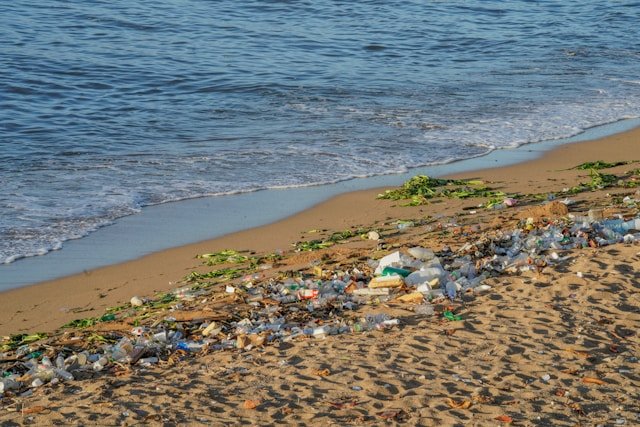
The Mediterranean Sea is known for its turquoise waters, rich marine life and cultural heritage. Yet underneath it hides a growing crisis beneath its surface – microplastic pollution. Despite covering less than 1% of the world’s oceans, the Mediterranean holds an estimated 7% of all global microplastics. From the shores of Spain to the Aegean islands, tiny plastic fragments are infiltrating marine ecosystems at alarming rates.
A sea of trouble
The Mediterranean coast hosts more than 200 million tourists annually, largely in the summer months. This creates an increased consumption of single-use plastics including bottles, packaging, cigarette butts, all creating immense pressure on waste systems.
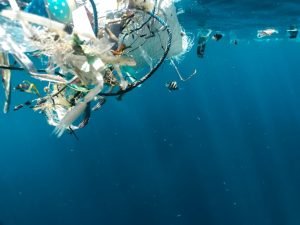
According to UNEP, every day an estimated 730 tonnes of plastic waste enter the Mediterranean, with single-use plastics accounting for more than 60% of marine litter recorded on beaches. But it’s not only the tourists contributing to plastic; the Mediterranean is also one of the world’s busiest shipping routes. Plastic debris from cargo ships, fishing nets, ropes and paint chips all contribute to microplastics.
So why is it that the Mediterranean has such high quantities of plastics compared to other locations? It could be due to the warm climate which accelerates the breakdown of larger plastics into microplastics. UV light, heat, and wave action make plastic brittle and fragments it faster than in colder seas. This increases the concentration of micro-sized particles, even if the total mass of plastic remains the same. In addition, the Mediterranean Sea is almost landlocked, with just an 8-mile gap of water located between Spain and Morocco, everything in this area circulates slowly, with no means of exit. It is essentially like a huge washing machine, with debris swirling round and round.
Researchers in the Mediterranean have found microplastics in the gastrointestinal tract of some fish species and to a lower extent, in the muscle, which represents the edible part of fish. The effects of this in humans are still to be determined.
Stemming the tide
Reversing the plastic wave in the Mediterranean will take more than cleanup campaigns; it demands reimagining our relationship with plastics. Governments must invest in smarter waste systems and stronger regulations that hold polluters accountable. But just as importantly, travellers, fishermen and families must recognise the quiet power of their choices. Refusing a plastic bottle, supporting local cleanup efforts, or choosing reusable materials might seem small, yet these actions, multiplied across millions, can reshape the future of an entire sea.