With all the packaging, it can sometimes feel as though we end up with more plastic than food. How are UK supermarkets faring in reducing their plastic footprint?


With all the packaging, it can sometimes feel as though we end up with more plastic than food. How are UK supermarkets faring in reducing their plastic footprint?


Wherever you are at the moment, something around you is most likely made of plastic. But is plastic always bad?


Pollution is a sad reality. Man–made plastic particles can nowadays be found in the most pristine places. But why do people litter?


The COVID-19 pandemic has had significant social, cultural and economic implications. Some of the safety measures introduced has led to an unprecedented increase in single-use plastics.
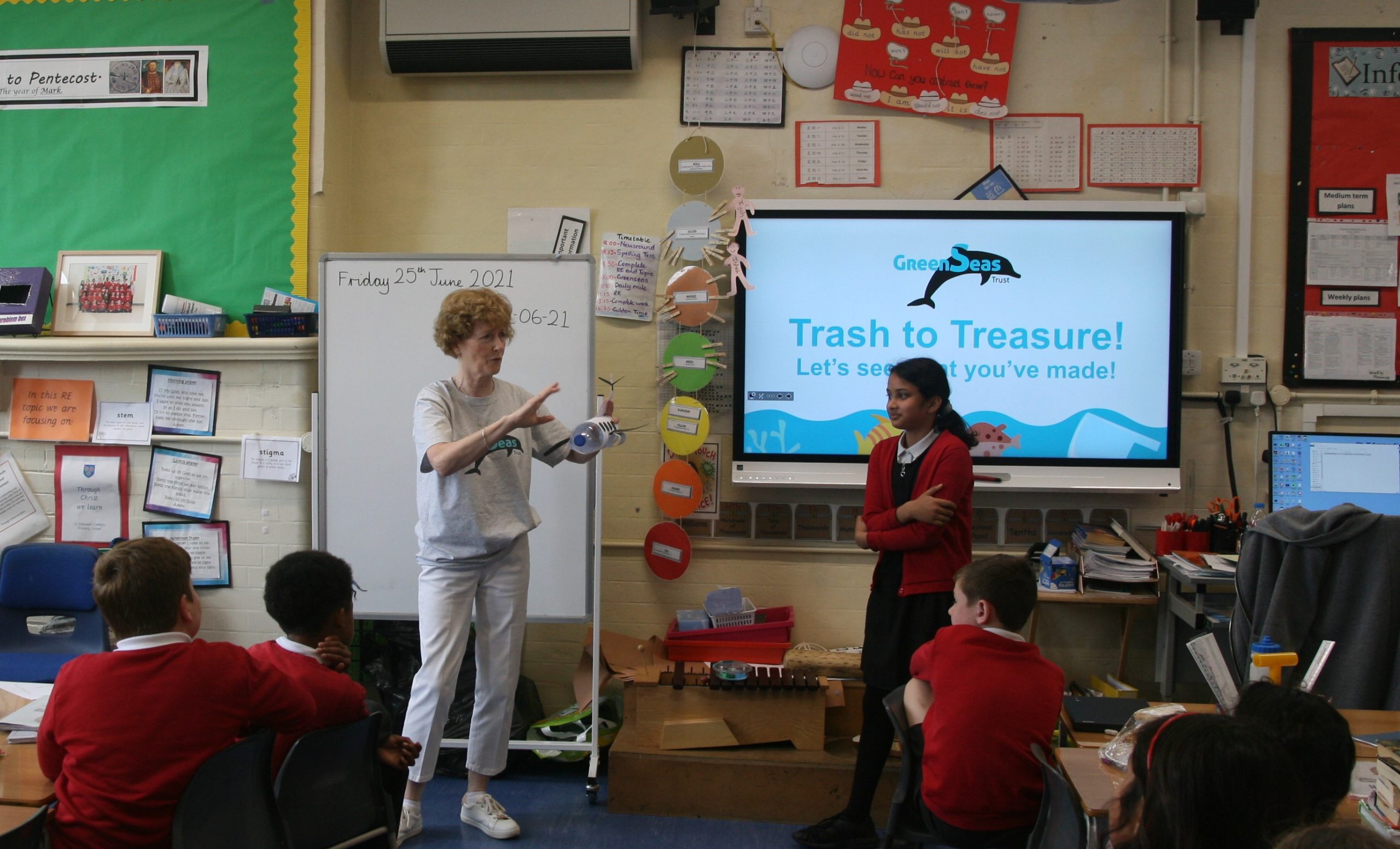

Children are the future. Environmental education gives the young the tools to help preserve our oceans and planet.


COP26 – Everything you need to know about the climate conference. What they have got planned and why it is important.


What does it actually mean and why should we care?
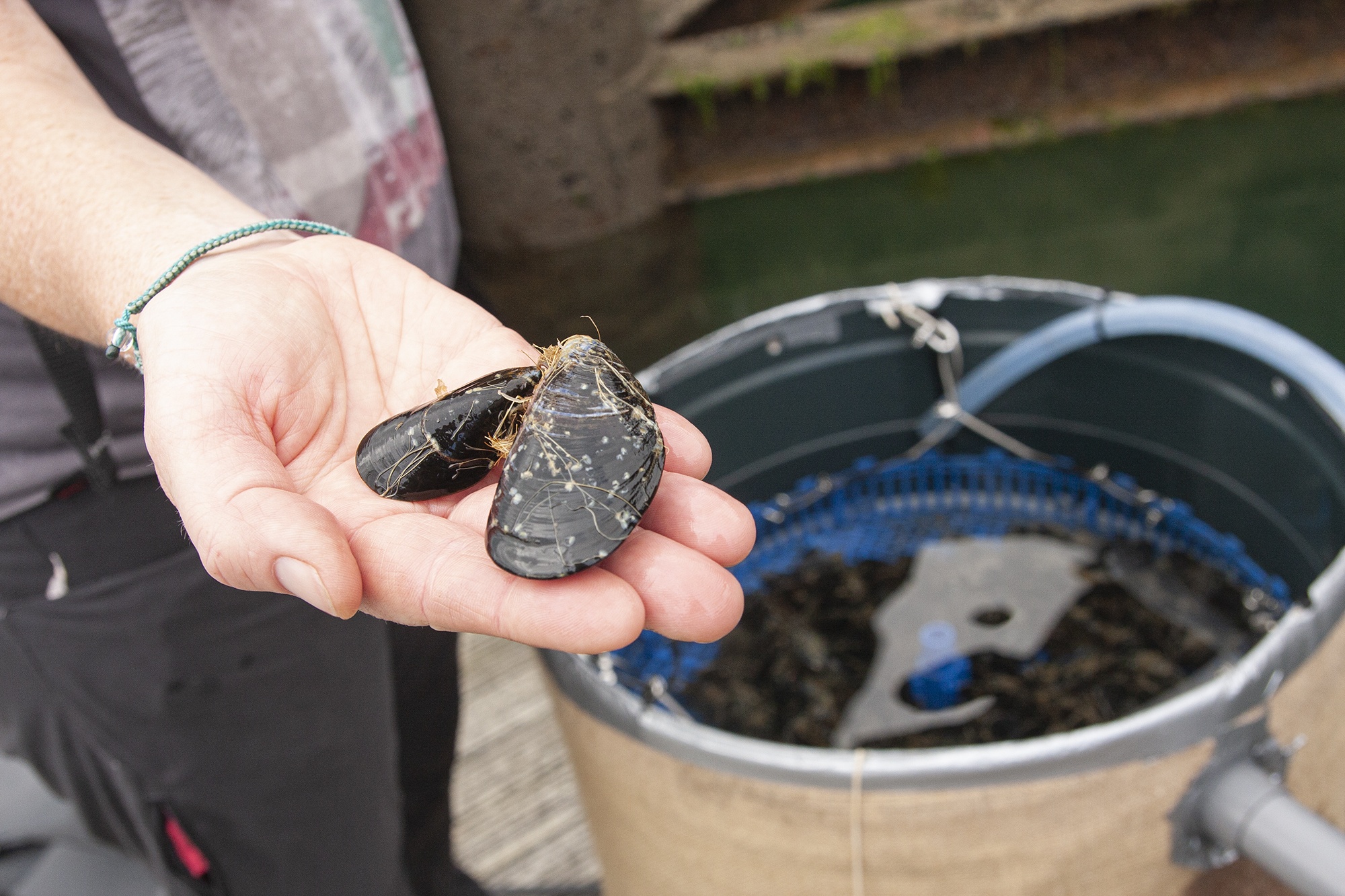
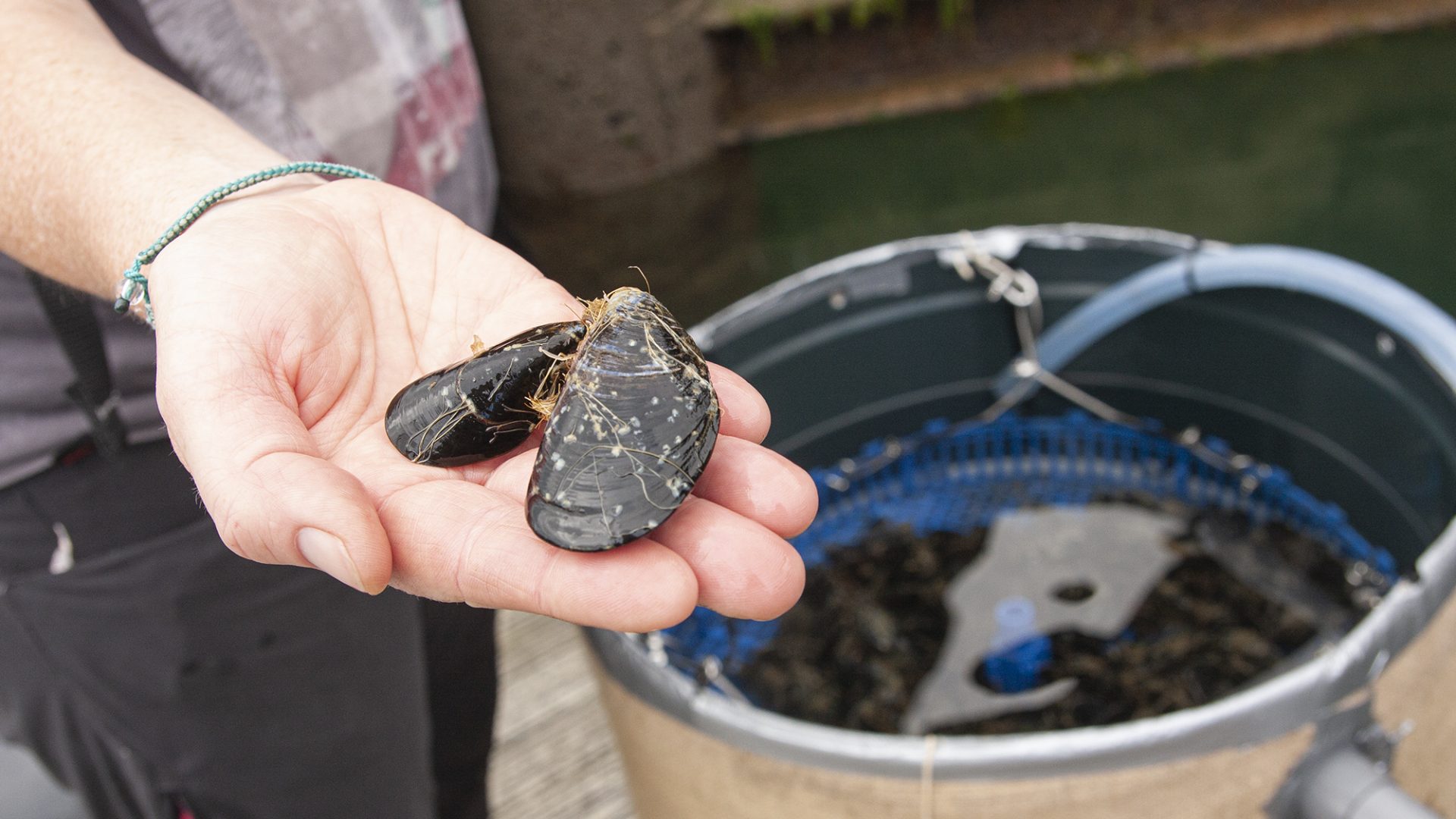
Mussels are voracious filter feeders, they are also a natural filtration system. Experiments show a 5kg cluster (about 300 mussels) can filter over 250,000 microplastics per hour if, the faeces are removed!

Its Plastic Free July! We wanted to celebrate some of the plastic-free switches we are particularly excited about!


Most plastics start the beginning of their life as raw materials which are primarily crude oil, but what happens to these plastics at the end of their life cycle? Does technology exist to recycle these mixed polymers?